REVIEW: Attend the Tale of Queeney Todd

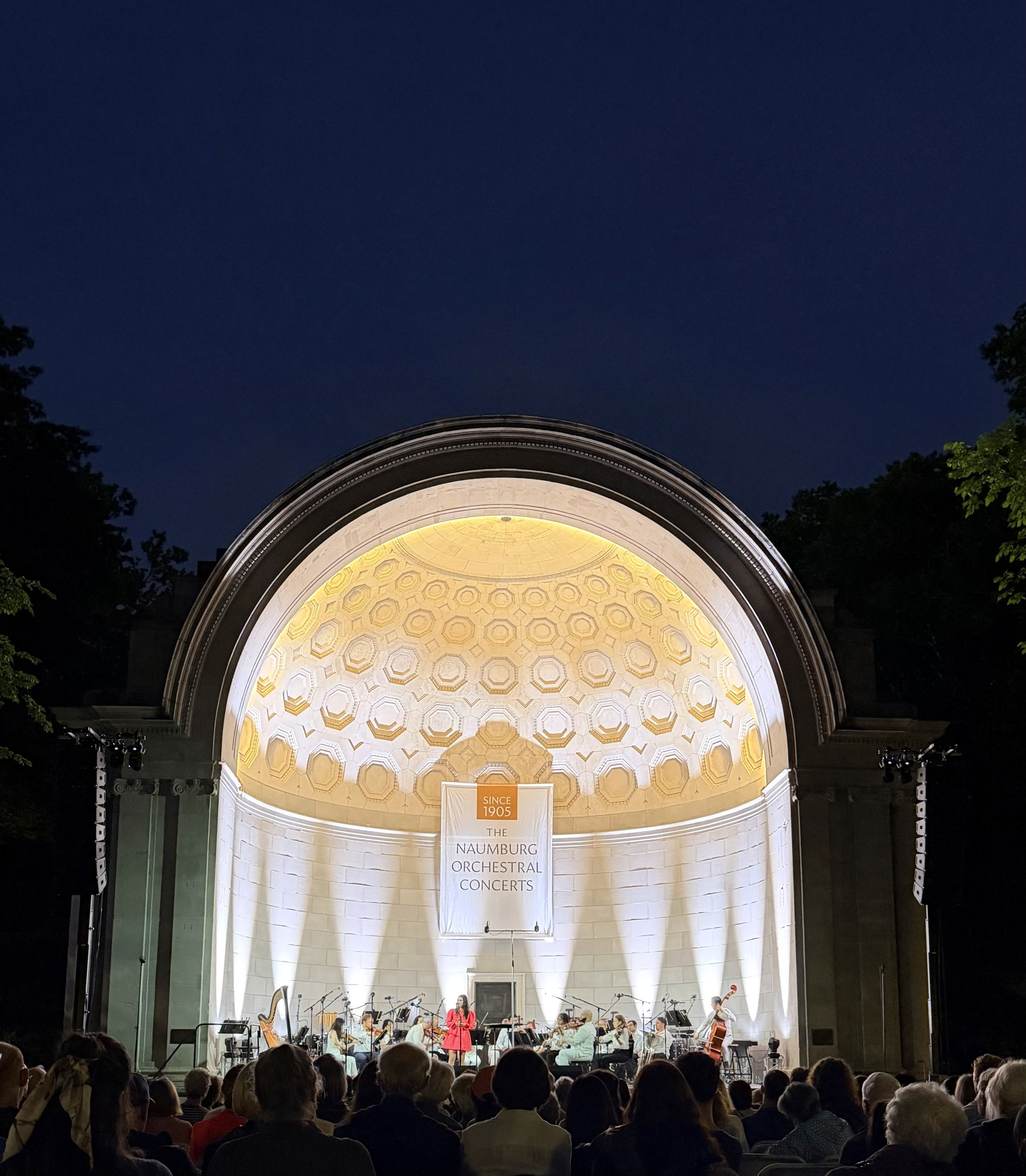
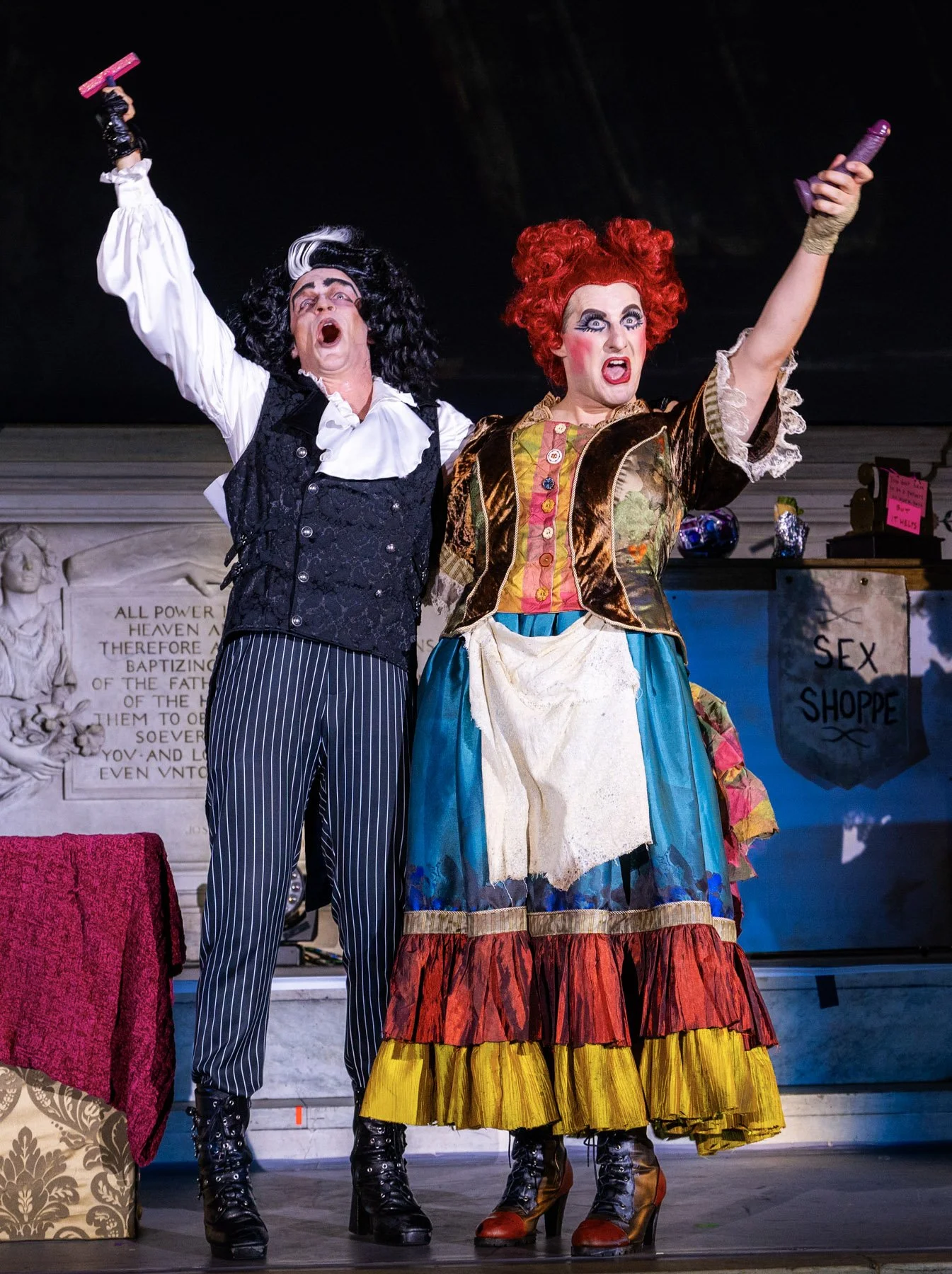
This hilariously absurd entertainment, directed and choreographed by Kemar Jewel, and led musically by Jacob Ashworth and Dan Schlosberg (who wrote the canny arrangements, heavy on French horn) put the “queen” in “opera queen.” Taking no prisoners, this NC-17 skit was definitely NSFW, with dildos, enemas, and simulated sex prominently featured. Sweeney Todd serves as an entry point for the broad comedy. The opening number — parlor organ and factory whistle represented — sung by the chorus (the game Stonewall Chorale), “Attend the Tale of Queeney Todd,” introduced the brilliant baritone Nathaniel Sullivan as the revenge-seeking title character.
REVIEW: Conrad Tao Connects Broken Lines

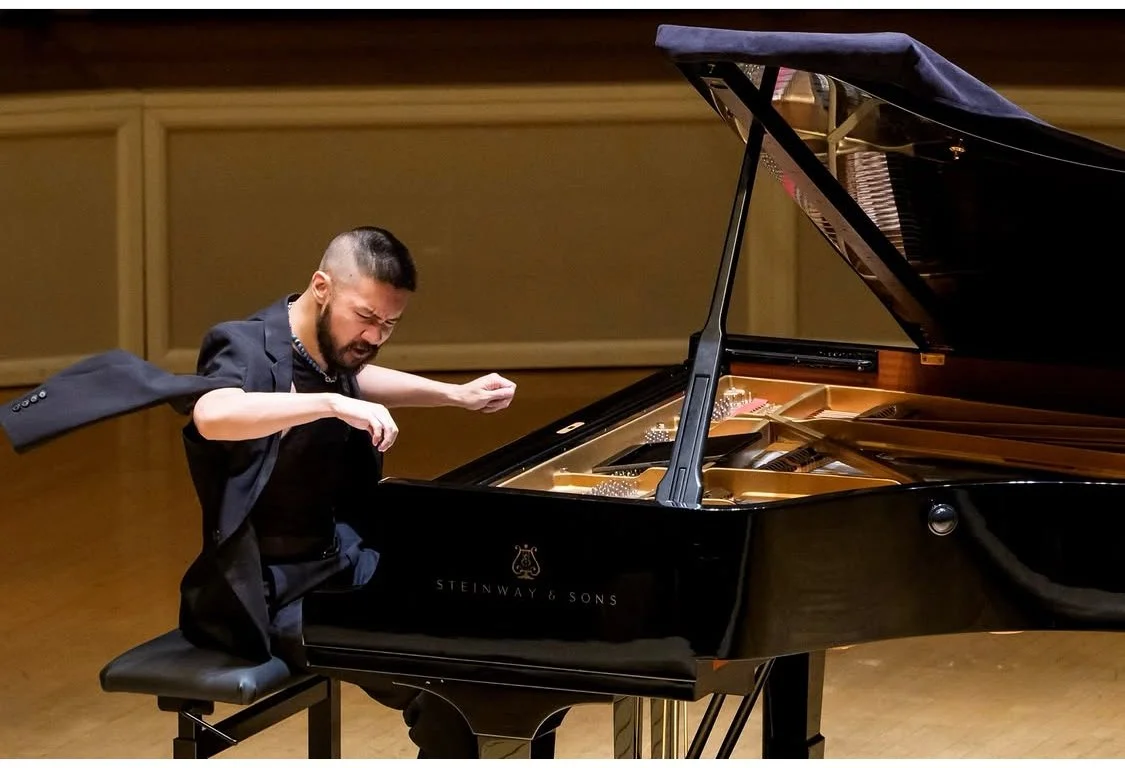
Tao was so grounded in this series of American works that explored “lines that are refracted or fragmented,” as he described it, you wouldn’t have suspected that earlier in the week he played Gershwin’s Concerto in F with the Pacific Symphony, Felipe Lara’s Injust Intonations at National Sawdust, two days later would play a completely different solo concert in Chicago (including Rachmaninoff’s Paganini Rhapsody and Gershwin’s Rhapsody in Blue), and the following week, a Mozart concerto in Tokyo.

REVIEW: Barber's Vanessa Emerges From the Shadows

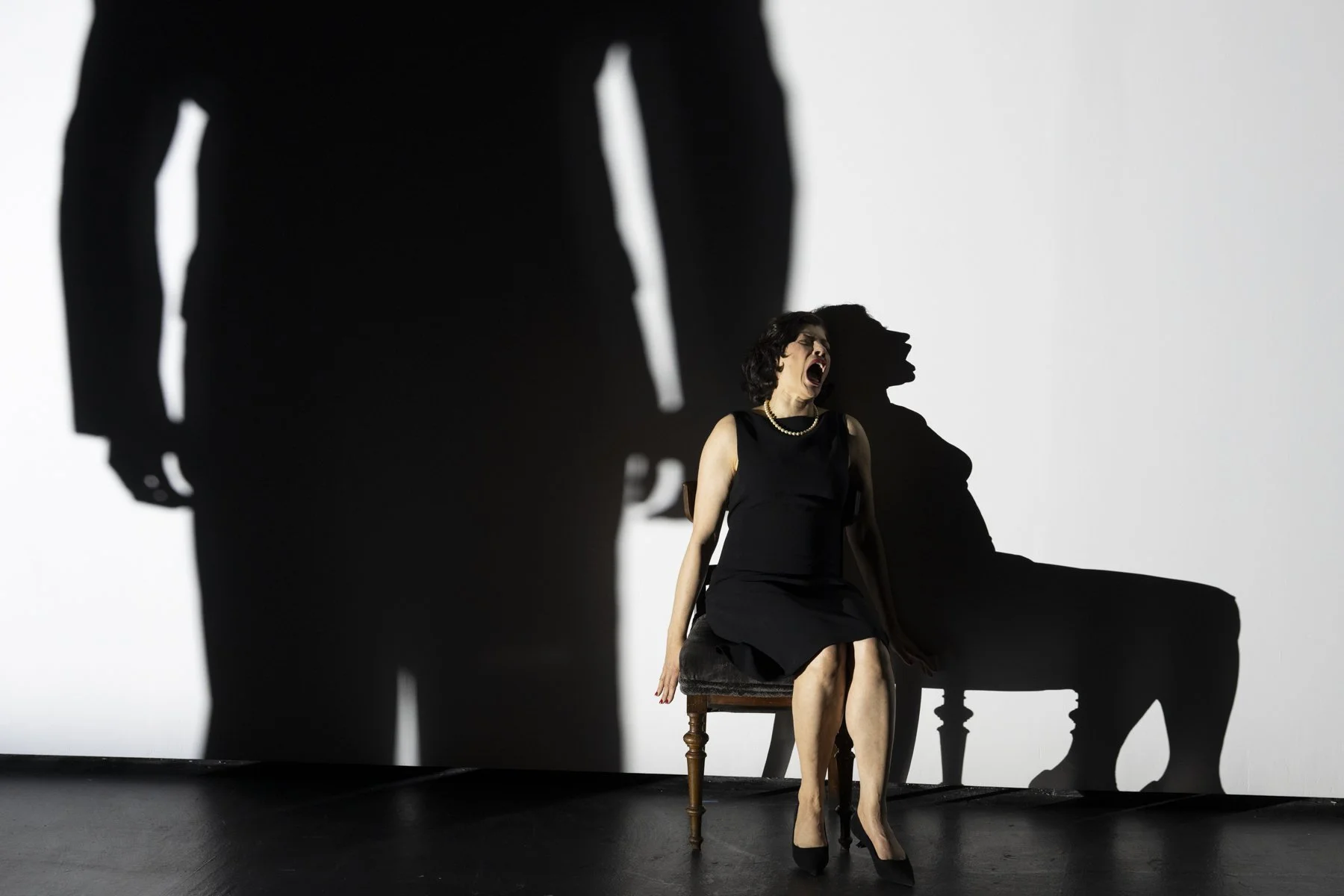
Jacob Ashworth’s shrewd adaptation transforms the piece into a chamber opera — eliminating the chorus and two minor characters, for a total of five cast members, and reimagining Barber’s angsty Neo-romantic score for seven instrumentalists, skillfully orchestrated by Dan Schlosberg. Director R. B. Schlather further tightens the lens with a crisp, minimalist blackbox production that intensifies the opera’s psychological underpinnings.

REVIEW: Chamber Music in Perpetual Motion

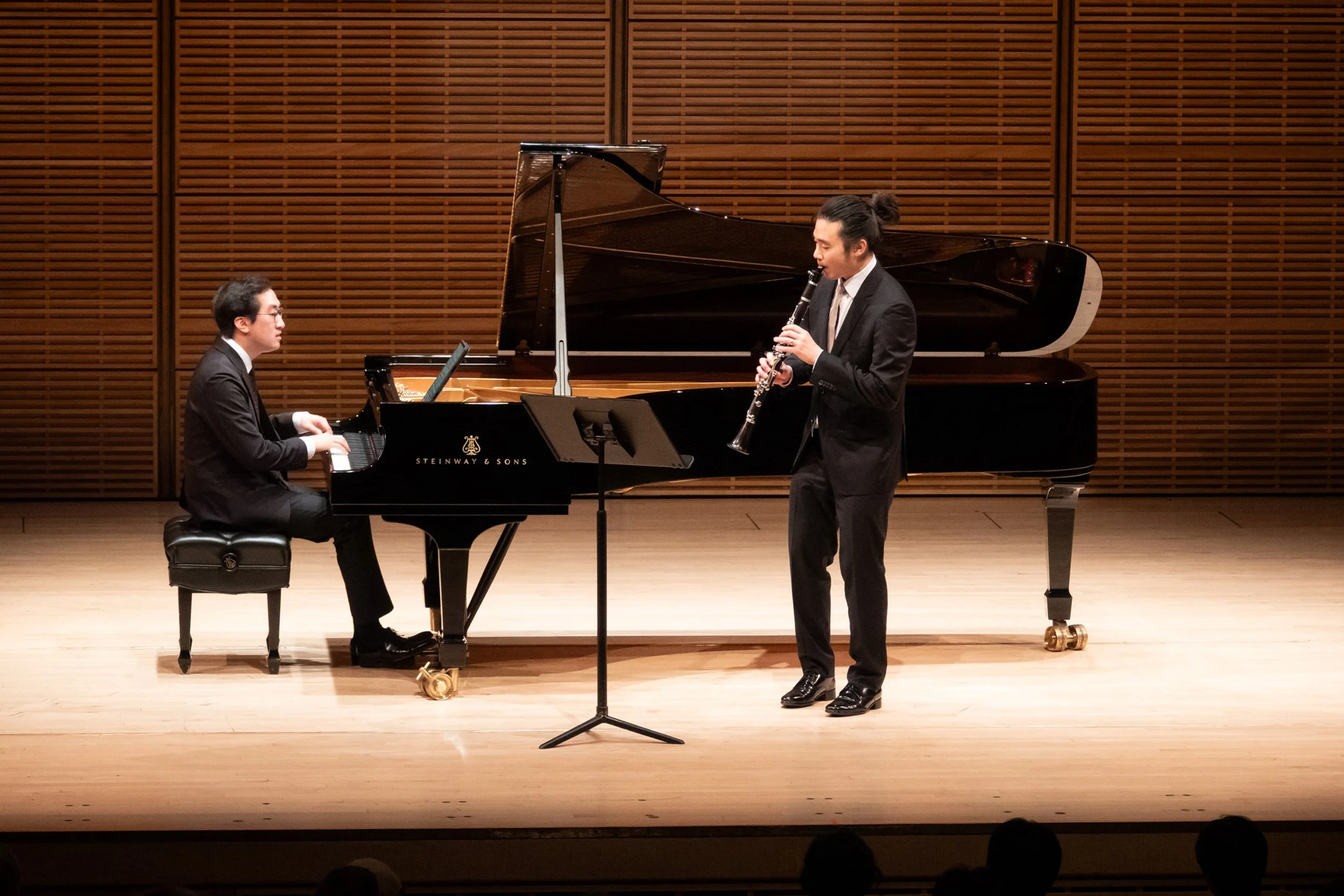
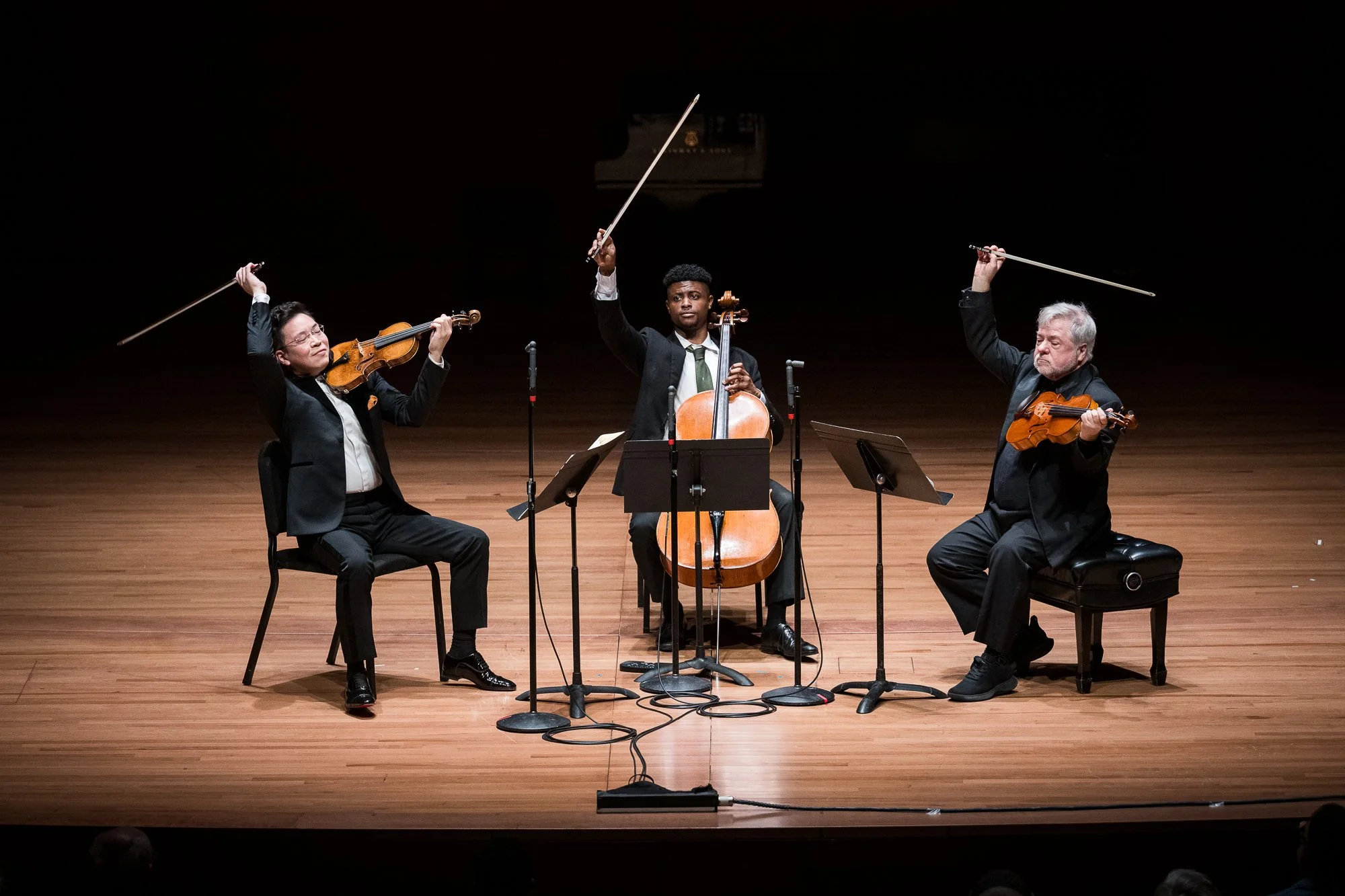
CMS’s latest program, a celebration of perpetual motion, was a great example of what they do. Titled Moto Perpetuo, the evening gathered a team of superb musicians to play musical chairs, in a nicely balanced program of pieces each concluding with a movement in the tradition of the perpetual motion. The moto perpetuo is a composer’s sure-fire crowd-pleasing finale — a musical demonstration of Newton’s first law (an object set in motion…)

REVIEW: Itzhak Perlman Joins Colorado Symphony at Carnegie Hall

The Colorado Symphony skied in from the Mile High City to bring Carnegie Hall an afternoon of thrilling delights under the baton of their Music Director Peter Oundjian. The headline event was guest of honor, the venerable violinist Itzhak Perlman, celebrating his 80th birthday. One of the world’s most prolific and celebrated violinists since making his debut a few blocks away on The Ed Sullivan Show in 1958, Perlman needs no introduction. But who knew he is has a comedic strain, as well?

REVIEW: Heartbeat Opera Breaths Vitality Into Manon!

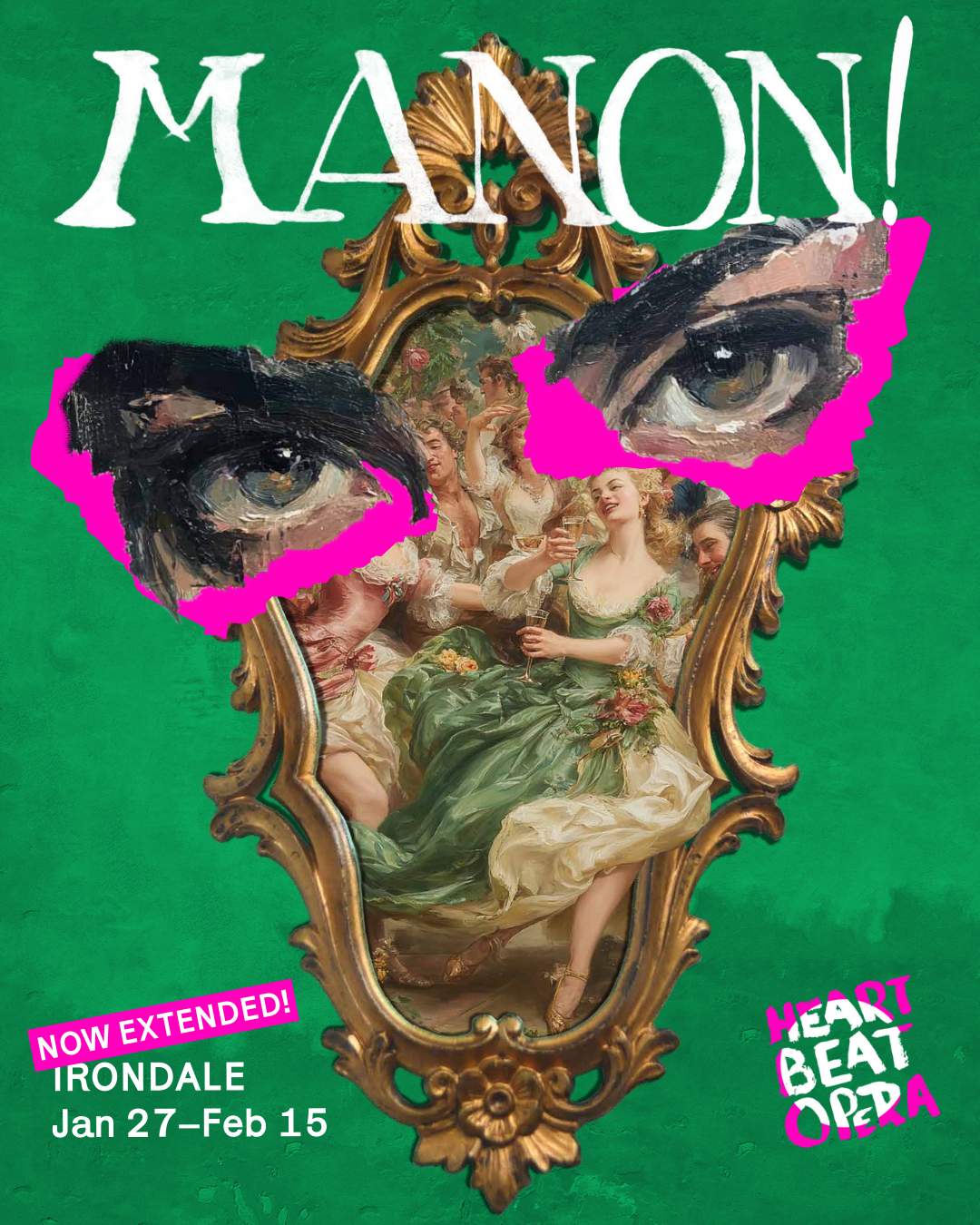
Heartbeat Opera’s Manon! is a triumph. Rory Pelsue’s production captures the audience’s attention, and navigates the psychology of the story with gripping focus. Grimsley demonstrates a rare ability to act through coloratura. Her buoyant, agile instrument scintillated, and she delivered the English text clearly and effortlessly.

REVIEW: Chris Thile Draws Intimacy and Joy from Bach at 92NY

Thile’s deeply personal, idiosyncratic set alternated between songs from his own oeuvre directly into extended passages of Bach. Thile’s nearly two-hour performance focused on the redemptive power of art, communing with Bach’s eternal truths supplied invaluable moments of reflection and meditation. Therapy, even — yes, Bach helps.

REVIEW: Kariné Poghosyan’s Khachaturian Joyride

“The piano is a percussion instrument.” So say my notes from midway through Kariné Poghosyan’s all-Khachaturian recital at Carnegie Hall’s Weill Recital Hall. Certainly it was in Poghosyan’s hands, and she both reaped the rewards and did not entirely skirt the pitfalls of such an approach. The program, consisting of works written for the piano or arranged for it from orchestral originals, showcased both Khachaturian’s dramatic side and a more lyrical strain. The former fared very well indeed here, the latter somewhat less so.

REVIEW: Dover Quartet's Rewarding 'Sonic Spectrum' at CMS

The idea of a concert for “string quartet plus one” is an excellent one, but it does perforce move the quartet out of the spotlight. So let me say up front that the Dover Quartet (violinists Joel Link and Bryan Lee, violist Julianne Lee and cellist Camden Shaw) performed with utmost musicality and precision, not to mention stamina, through nearly 90 minutes of well-chosen, engaging recent music on the Chamber Music Society of Lincoln Center’s Sonic Spectrum IV at the Rose Studio. The soloists (percussionist Ian David Rosenbaum, clarinetist Romie de Buise-Langlois and harpist Bridget Kibbey) were likewise excellent, all three performing with commitment and intelligence. 

REVIEW: Masterful Midori at 92NY

Özgür Aydin partnered with Midori at the piano, with sturdy, substantial playing — big and assertive, yet exceedingly pliable. Just the foundational framework from which the Japanese-American virtuoso could inhabit and project a rich, yet balanced selection of German and French music. This was playing — technically and interpretively — that was truly “finished.” Consummate musicianship.

REVIEW: Wang and Olafsson Team Up at Carnegie Hall

The two pianists couldn’t be more different. Wang reads from an iPad; Ólafsson has traditional sheet music and a page turner. But, their disparate sensibilities suited their duet parts, like Apollo and Dionysus — Ólafsson (on secondo, in the bass register) was grounded and detailed, a structural foundation, while Wang, on the primo, was anxious and bursting with spontaneity. The first half continued with three works by American mavericks.

REVIEW: Conrad Tao Keys Into Debussy Etudes at Zankel Hall

The audience arrived to find Zankel Hall arranged as a theatre in the round, encircling a concert grand sharing the stage with a Lumatone, a MIDI controller with a keyboard resembling the left box of an accordion (or the Jankó keyboard), illuminated in ethereal pinks and blues, the room splashed with atmospheric lighting effects. Tao is a pianist who functions thrillingly within traditional classical music trappings, but it was no mere gimmick that his solo return to Carnegie Hall brought a downtown sense of avant-garde to midtown. It’s in his soul.