REVIEW: Han Kim, and the Clarinet Itself, in the Spotlight
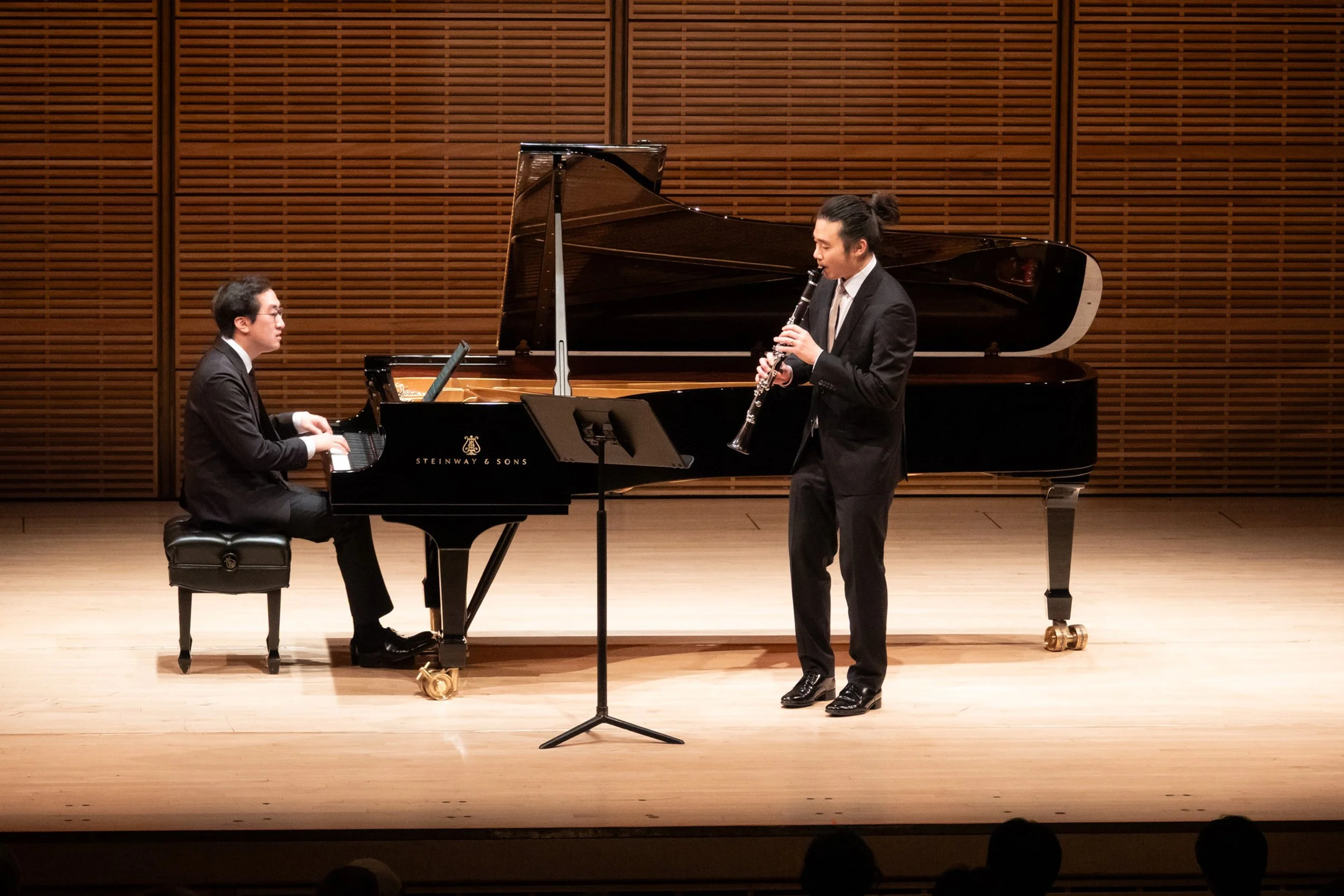
Above photo by Nathan Park.
May 3, 2026
From Korea to Paris, clarinetist Han Kim has dazzled audiences and elevated the stalwart of the woodwind section from the chorus to the leading role. Kim’s Carnegie Hall debut — an extensive tour through the humble clarinet’s solo repertoire with fine pianist Sahun Sam Hong — was an eye-opening demonstration of the instrument’s versatility.
From the inviting warmth of the opening phrases of Camille Saint-Saëns’s Sonate pour Clarinette avec accompaniment de Piano, Op. 167, Kim grabbed Zankel Hall, packed with rapt listeners, with an openness. You could imagine that the music had lyrics, as Kim’s clarinet became merely an extension of his voice, a tool of communicating. He engaged your attention visually, and the music unfolded with the vividness of dialogue.
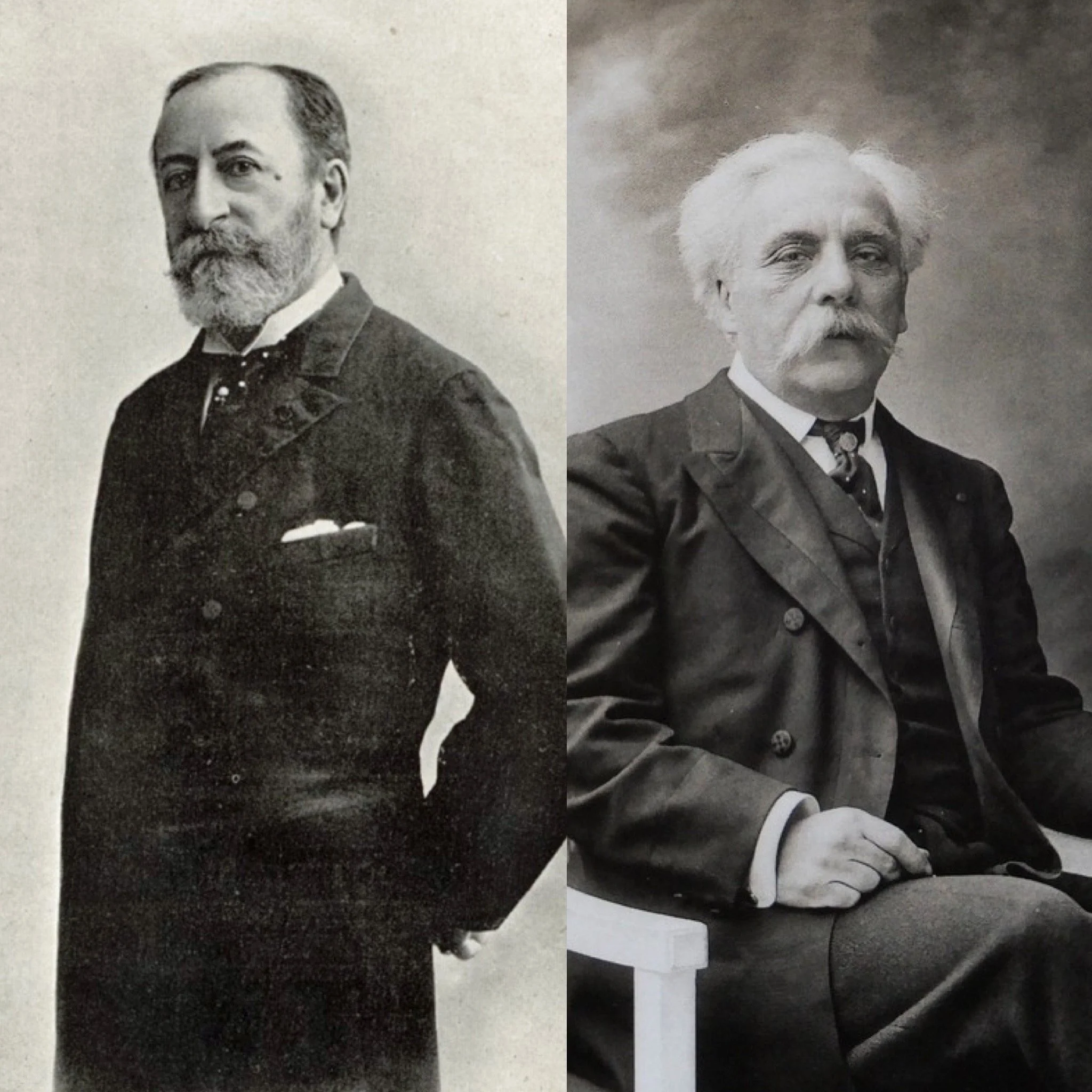
Saint-Saëns’s 1921 sonata was an amiable entry into Kim’s substantial program. The second movement, a jocular reminiscence of a gavotte, had a deceptive lightness. In the solemn prayer of the Lento, Kim harnessed the clarinet’s meaty chalumeau register, then soared into its highest altitudes with a tender whisper. The finale, Molto allegro, juggled flying sixteenth-note runs and syncopated drama between clarinet and piano before returning to the opening theme with an epilogue-like resonance.
Brahms’s Sonata für Clarinette und Pianoforte, Op. 120, No. 1, in F Minor, like the Saint-Saëns, was composed late in the composer’s life, and both sonatas contain moments of introspection and outbursts of joy. Hong triumphed over the keyboard part’s many demands, unassumingly managing the thick texture to meet Kim for an interplay of ideas.
Kim’s tone is unified from the top to the bottom of the clarinet’s wide range — pointed and sweet. He leans into phrases with a generous, yet tasteful, vibrato, and has an athletic dynamic control, never afraid to fade to the barest pianissimo. Geonyong Lee’s Song in the Dusk I, an unaccompanied solo piece from 1997, exploited the instrument’s vast variety of colors and expressive possibilities. A spellbinding meditation on the Korean emotion called han, the work incorporates Korean musical elements, and stretches the clarinet to imitate the traditional instruments of Kim’s homeland.
Francis Poulenc’s delightful Sonata for Clarinet and Piano, FP 184, changed gears for a rollicking ride. The composer’s understanding of the clarinet’s character shines through in joking bursts, and sweeping, rangy melodies. The second movement, a melancholy Romanza, was especially heartfelt, with Hong’s sensitive accompaniment transforming into a passionate counterweight to Kim’s sighing legato. The finale, Allegro fuoco, was an entertaining tour de force, the musicians tossing it off like a whimsical afterthought.
The evening’s only mistake was to follow Poulenc’s stylish showpiece with Leonard Bernstein’s comparatively academic and acetic Sonata for Clarinet and Piano from 1942. (The order should have been reversed.) The American composer’s first published work, the sonata is said to include elements of jazz, but the influence of Hindemith dominates the stirringly lyrical first movement. Hong handled the motoric piano material with a keen ear for harmony and line, never overpowering Han’s dynamism. The finale alternates Copland-esque, Latin dance–inflected syncopations with evocative lyrical passages, and Kim and Hong knit the contrasts into a persuasive narrative.
Kim let his hair down (figuratively) for a Klezmer-infused encore of Shalem Aleichem Rov Feidman! by Hungarian clarinetist Béla Kovács — an opportunity to indulge in exuberant bends and slides, sobbing and laughing. Kim’s recital was not merely a clarinet virtuoso’s triumph. It was a celebration of the clarinet itself.