REVIEW: Berlioz's Take on German Romanticism
April 16, 2026
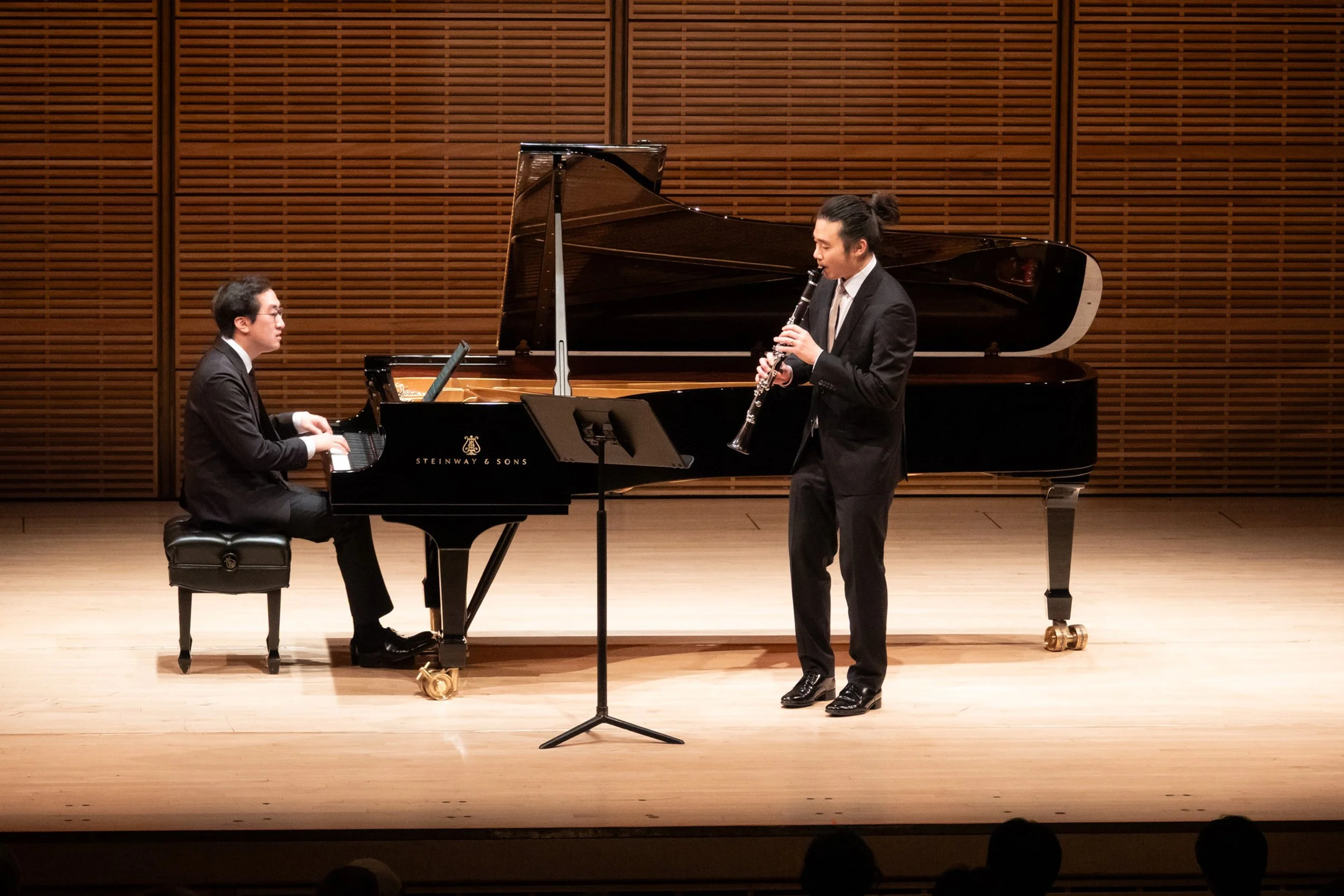
Leon Botstein, music director of the American Symphony Orchestra and trustworthy presenter of rarely programmed (but worth hearing) repertoire, employed a large orchestra, the Bard Festival Chorale (under the direction of James Bagwell), and a cast of nine excellent operatic soloists, for a concert performance of Carl Maria von Weber’s Der Freischütz — with a French twist.
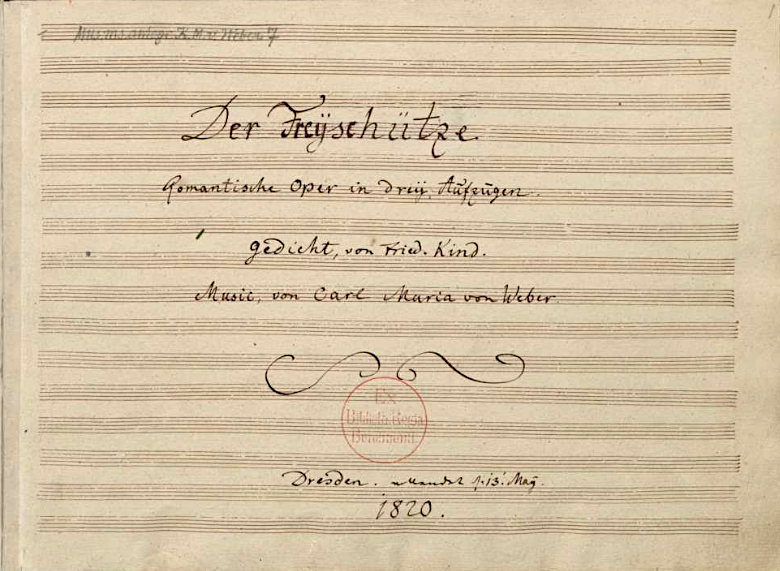
Weber wrote Der Freischütz in collaboration with fellow member of the Dresden Liederkreis, librettist Johann Friedrich Kind, while suffering from tuberculosis. Premiering in 1821 at the newly built Schauspielhaus in Berlin, amidst rising nationalism (in response to Napoleon’s tyranny — think Beethoven’s “Eroica”), Der Freischütz was a hit, and launched an arc of German Romanticism that would culminate in the operas of Richard Wagner and Richard Strauss, and ultimately, arguably, in Schoenberg and the breakdown of tonality itself.
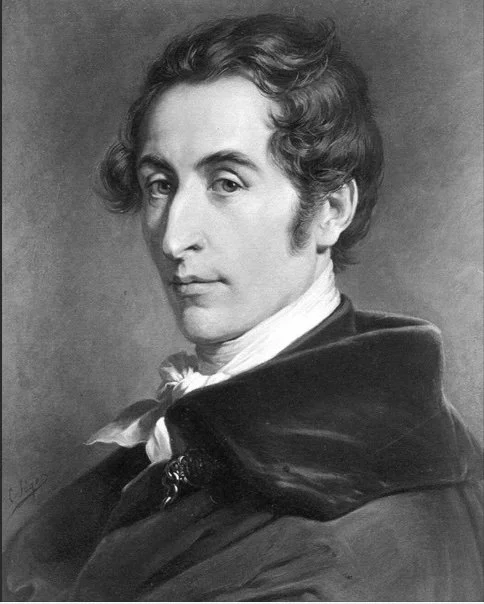
Carl Maria von Weber
The original opera (which hasn’t been performed at the Metropolitan Opera since 1972) was based on a ghost story, and like many libretti of the period, has perhaps not aged as well as say, Mozart’s da Ponte comedies, or Puccini’s verismo. Which is to say a concert version, as presented here, suffers from the lack of enchantment that a scenic design, and evocative lighting and costumes, might bring to the occasion.
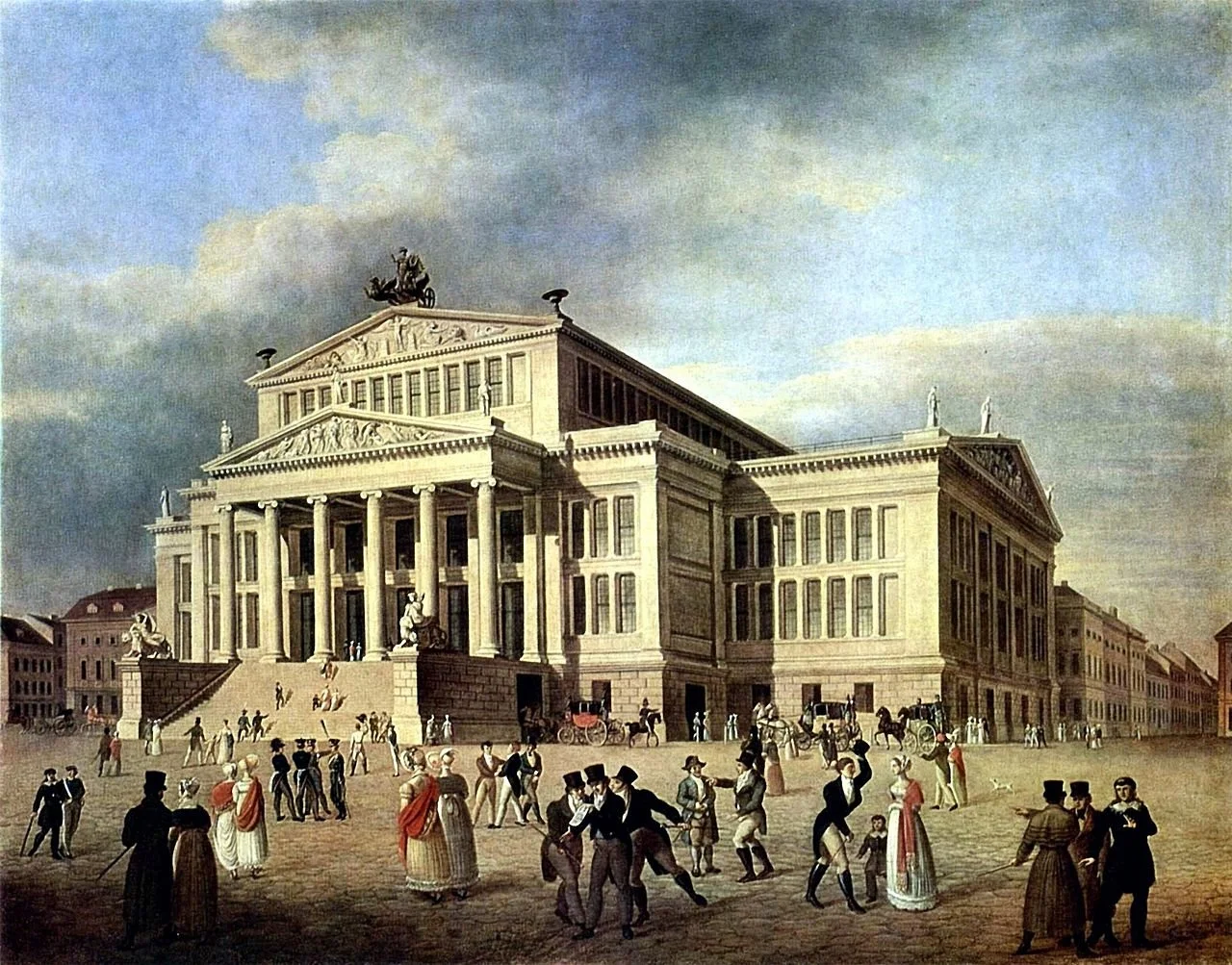
Karl Friedrich Schinkel’s depiction of Berlin’s Schauspielhaus, 1825.
As adapted by France’s Romantic innovator, the younger Hector Berlioz, for the Paris opera, the work became even more integrated into the trappings of the theatre. Berlioz’s changes, 20 years after the opera’s premiere, translated the libretto into French, added recitative (where Weber had spoken dialogue), and to fulfill the French expectation of a ballet, his own orchestration of Weber’s piano piece Invitation to the Dance.
ASO’s performance was admirable throughout — great musicianship was on display. But rarely did the sheer size of the production seem justified, in terms of drama and storytelling. The instrumental Invitation to the Dance stops the action cold, especially without dancers. This is music that needs to be played with the exquisite refinement of the Cleveland Orchestra, or not at all. ASO’s performance was lovely — but alas, not essential.
Soprano Nicole Chevalier as Agathe, and tenor Freddie Ballentine, as Max, did a lot of the evening’s heavy-lifting. Alfred Walker as Gaspard, and Adam Partridge as Kilian, lent rich, steadfast, baritones. Philip Cokorinos and Joo Won Kang added character as Kouno and Prince Ottokar.
But it was Cadie Bryan, as Annette, that truly rose to the occasion, transcending the limits of concert staging, and harnessing the French language to conjure a spell with her character’s text and music.
Botstein posits that Berlioz’s version of Der Freischütz is comparable to Ravel’s orchestration of Pictures at an Exhibition, in terms of a musical reimagining of an another’s work. Perhaps. But with Berlioz’s enhancements or not, to make something so rooted in the culture and superstitions of another time and place resonate today, more imagination is required.